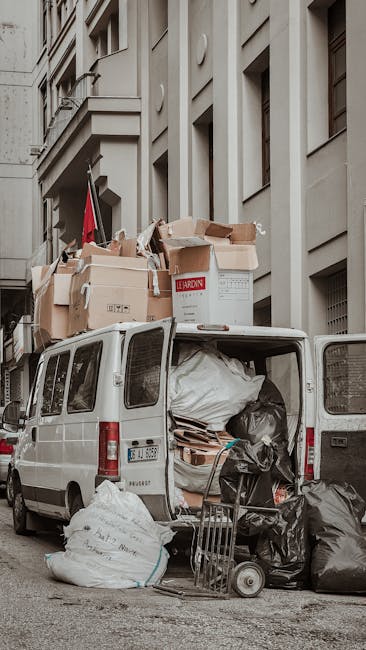
What to do with bulky waste after South London moves
Moving home in South London has a funny way of revealing just how much stuff you've been living with. The sofa that looked "fine for now" suddenly feels too heavy, the spare mattress needs to go, and there's always that one wardrobe panel that won't survive another lift up the stairs. So what do you do with bulky waste after South London moves?
Truth be told, this is one of those parts of moving day that people underestimate. You can plan the boxes, label the kitchen, and arrange the keys, but the old furniture, broken appliances, and awkward oversized bits often get left until the very end. That's where a proper plan helps. In this guide, you'll find practical ways to clear bulky items responsibly, keep costs under control, and avoid the classic post-move pile-up on the pavement or in the hallway.
If your move involves mixed items, a short conversation with a local team such as home moves support or a flexible man and van service can make the whole process feel a lot less chaotic. And if the last stage of the move is still in progress, it can help to combine clearance with packing and unpacking services so the bulky stuff is dealt with at the right moment, not three days later when everyone is exhausted.
Table of Contents
- Why bulky waste after South London moves matters
- How bulky waste disposal works after a move
- Key benefits and practical advantages
- Who this is for and when it makes sense
- Step-by-step guidance
- Expert tips for better results
- Common mistakes to avoid
- Tools, resources and recommendations
- Law, compliance, standards, or best practice
- Options, methods, or comparison table
- Case study or real-world example
- Practical checklist
- Conclusion
- Frequently asked questions
Why What to do with bulky waste after South London moves Matters
Bulky waste is any item that is too large, too awkward, or too heavy for normal household waste collection. Think wardrobes, sofas, divan bases, white goods, broken tables, shelving, exercise equipment, and those random "I'll sort it later" items that somehow survived two house moves already.
After a South London move, bulky waste matters for three reasons. First, space is tight. Many properties in the area have narrow staircases, small front gardens, limited parking, and shared access. Leaving large items outside "just for a bit" can quickly become a nuisance. Second, timing matters. Once you've handed over keys, you often do not want to be dealing with leftover furniture. And third, disposal choices affect cost, convenience, and environmental impact.
There's also the local reality of moving in London. On a wet afternoon in January, a mattress balanced on the pavement outside a terraced house is not just inconvenient - it's a trip hazard, an eyesore, and a hassle for neighbours. A better plan saves you stress and, to be fair, usually saves money too.
Expert summary: The best bulky-waste plan after a move is usually the simplest one: sort items early, separate reusable from broken items, and choose the removal method that matches the size, timing, and condition of each piece.
For people planning bigger relocations, it can help to think about waste management alongside the move itself. A company that handles house removalists work or moving truck hire may also be able to support the logistics of moving bulky items out efficiently rather than letting them linger in the new place or old one.
How What to do with bulky waste after South London moves Works
There isn't one single method that suits every item. The right approach depends on the item's condition, whether it can be reused, how quickly it needs to go, and what access looks like at both properties.
In practice, the process usually looks something like this:
- Identify the bulky items. Make a quick list as you pack. Don't wait until moving day, because that's when everything becomes ten times more annoying.
- Sort by type and condition. Group furniture, mattresses, appliances, and mixed materials separately. A usable table is treated differently from a damp wardrobe chipboard panel that's basically finished.
- Check for reuse potential. If something is still in decent condition, it may be suitable for donation, resale, or a furniture pick-up service rather than disposal.
- Choose the removal route. Options can include council bulky waste collection, private clearance, resale, donation, recycling, or part-load removal with a local mover.
- Prepare the items. Remove loose contents, disconnect appliances safely, and make items easier to carry if possible. A little prep goes a long way.
- Move or collect. The final step is arranging the pickup or drop-off. If access is awkward, booking a service with the right vehicle and manpower often makes life much easier.
It sounds straightforward, and mostly it is. But the detail matters. A sofa that fits through the door with legs removed is a very different job from a fridge freezer that needs proper handling and safe transport. That's why local moving and waste decisions should be made together, not separately.
If you want a service that fits into a broader moving plan, removal truck hire can be a practical option for heavier loads, while man with van support can suit smaller or mixed loads where flexibility matters more than a huge vehicle.
Key Benefits and Practical Advantages
Dealing with bulky waste properly after a move offers more than just a tidier doorstep. It can make the whole move feel cleaner, calmer, and more under control.
- You reclaim space quickly. Empty rooms are easier to clean, inspect, and prepare for the next step.
- You reduce stress. One less thing hanging over you after the keys are handed over is a relief, honestly.
- You avoid access problems. Bulky items left in hallways, shared areas, or on kerbs can create friction with neighbours or landlords.
- You improve safety. Heavy objects are a genuine lifting risk, especially when people are tired from moving.
- You can save money. Reuse, donation, and consolidated clearance are often cheaper than handling everything in a rush.
- You support sustainability. Reuse and recycling keep more material out of landfill and reduce waste from the move itself.
There's also a less obvious benefit: decision clarity. Once the big items are sorted, the rest of the move usually feels easier. Boxes, bin bags, and odds and ends suddenly seem manageable. Funny how that works.
For readers who care about greener moving choices, the site's recycling and sustainability page is a useful companion read, especially if you want to understand how to keep a move practical without being wasteful.
Who This Is For and When It Makes Sense
This topic matters to a lot more people than you might think. If any of the scenarios below sound familiar, you're probably in the right place.
- Home movers who are replacing furniture, downsizing, or leaving behind items that won't fit in the new property.
- Flat sharers clearing old sofas, broken chairs, or communal furniture at move-out time.
- Families with children's beds, wardrobes, and playroom pieces that have reached the end of their useful life.
- Landlords and tenants managing end-of-tenancy clearances.
- Office movers disposing of surplus desks, storage units, and seating during relocation.
- Downsizers who are intentionally reducing the amount of furniture they keep.
It also makes sense when the item is too awkward to move later. A bulky waste decision should ideally happen before the final moving day, not after you've already parked the van on a busy South London street and realised the old sofa still needs to leave. Been there, or close enough.
For business users, it can be smart to pair disposal planning with commercial moves or office relocation services, especially where furniture, filing units, and equipment need sorting in stages rather than all at once.
Step-by-Step Guidance
Here's a practical way to handle bulky waste after a move without turning it into a weekend-long headache.
1. Walk through the property before you pack
Before boxes take over every room, do a simple sweep. Note anything large that will not move to the new place. This could be obvious stuff like a sofa or bed frame, but it can also be smaller bulky items such as office chairs, chest freezers, mirrors, or storage units.
2. Separate reusable items from true waste
Not everything bulky needs to be thrown away. If something is clean, solid, and safe to use, it may be suitable for donation or resale. That is often the best first question: can this be used by someone else?
3. Measure access at both addresses
South London homes can be charming and awkward in equal measure. Check door widths, stair turns, lift access, parking restrictions, and whether items need to be dismantled. Sometimes a wardrobe that looks impossible is actually fine once the doors are removed. Other times, it is not. It happens.
4. Choose the most suitable disposal route
For a single mattress or chair, a small collection service may be enough. For several pieces, a bulk collection or van-assisted removal is usually better. If you have mixed waste and useful items together, a service that can separate and load them efficiently is often the most practical option.
5. Prepare items properly
Empty drawers, detach loose parts, secure cables, and tape doors shut if needed. If you're moving appliances, follow safe disconnection practices. Do not guess with gas or electrics. If in doubt, leave that part to a qualified professional.
6. Schedule removal with enough breathing room
The ideal time is usually a little before or immediately after the main move, not on the same minute you're chasing keys and arguing with a parking bay. A bit of buffer helps. Always.
7. Confirm where items are going
Ask whether the provider will recycle, reuse, donate, or dispose of the items. This matters if you care about environmental impact or need a clear record of what happened to the waste.
If the move is large or rushed, using a service like pricing and quotes can help you compare options upfront rather than making a decision under pressure on moving day.
Expert Tips for Better Results
A few small decisions can make bulky waste clearance smoother and cheaper. These are the things people often only learn after the first chaotic move. A shame, really, because they're not hard.
- Clear the bulky items first, not last. If a wardrobe has to go, deal with it before the rooms fill up with boxes.
- Keep one "donate" pile and one "dispose" pile. Mixing them together creates unnecessary sorting later.
- Photograph large items before booking. Pictures help providers estimate access, labour, and vehicle size more accurately.
- Break down items where safe to do so. Flat-pack furniture is often easier to remove when dismantled.
- Watch out for hidden weight. A cabinet may look light, but solid wood, glass, or built-in metal runners can make it much harder to carry.
- Think about the new property too. If you're replacing bulky items, arrange the new delivery after the old items are out. Saves the whole "where do we put this now?" moment.
One useful habit is to treat bulky waste as part of the move budget rather than an afterthought. That mindset keeps the process calm. You can then compare collection, removal, and recycling options with a clear head instead of rushing.
For items that are still decent, don't skip the reuse stage too quickly. A slightly dated but sturdy dining table can still be useful to someone else. That's the sort of item that often disappears quickly through a proper furniture pick-up arrangement.
Common Mistakes to Avoid
Most bulky-waste problems are preventable. The trouble is they only look small until moving day starts, and then suddenly they are very not small.
- Leaving the decision too late. The biggest mistake is waiting until the van is already loaded.
- Assuming everything is council-collectable. Some items need a different route, and collections can have limits.
- Putting items out too early. In many areas, that creates clutter, weather damage, and possible complaints.
- Not checking access. A provider can only work efficiently if they know about stairs, parking, and narrow hallways.
- Ignoring safe lifting. Heavy lifting is where people strain backs, trap fingers, or nick walls and doors. It happens fast.
- Mixing hazardous or specialist waste with normal furniture. Items like fridges, paint, or anything with fluid, fuel, or batteries may need separate handling.
One practical mistake people make a lot: they decide to "just take it to the new place and sort it later." In reality, later often means never, and the item becomes a permanent resident of the spare room. Not ideal.
If you want to avoid scrambling on moving day, make sure the final logistics are clear, especially where insurance and safety matter for heavier or awkward items.
Tools, Resources and Recommendations
You do not need a warehouse of gear to manage bulky waste, but a few simple tools help a lot.
- Measuring tape: Useful for doorways, stair bends, and lift openings.
- Basic tools: Screwdrivers, hex keys, and adjustable spanners help dismantle furniture safely.
- Work gloves: Better grip, less splinter risk, and fewer scraped knuckles.
- Blankets or wrapping materials: Handy if items need to pass through narrow hallways without damage.
- Labels or marker pens: Good for marking reusable, recycle, and dispose piles.
- Phone camera: Photos are useful for getting quotes and confirming item condition.
For local moves, it can also help to use a service that understands both transport and handling. If your bulky waste is part of a broader home move, a team offering removal truck hire or a smaller-scale van service may be more efficient than booking separate providers for each task.
And if you want to make sure the company you choose is transparent about processes, look for clear guidance on health and safety and payment details through payment and security. It's a small thing, but it builds confidence before anyone turns up at the door.
Law, Compliance, Standards, or Best Practice
Bulky waste disposal in the UK is shaped by general waste duties, local authority rules, and common-sense safety standards. Because council rules and acceptance criteria can vary, it is always wise to check local guidance rather than assume one borough works exactly like another.
From a best-practice perspective, there are a few principles worth keeping in mind:
- Do not fly-tip. Leaving bulky items in the wrong place can create fines, complaints, and genuine environmental harm.
- Use licensed or reputable handlers. Ask how items will be transported and where they will go.
- Separate reusable items where possible. Reuse is usually better than disposal if the item is suitable.
- Handle electricals carefully. Fridges, freezers, TVs, and other electronics may need specific recycling routes.
- Be careful with unsafe lifting and dismantling. If a job looks risky, pause and get help.
For businesses moving offices, the compliance picture can be a bit more involved, particularly where records, equipment, and waste streams need to be separated cleanly. In that setting, using a company familiar with commercial moves can reduce avoidable mistakes. Residential customers may also want to review the provider's terms and conditions and about us information before booking, just to understand the service clearly.
One more practical point: if you are disposing of bulky items from a rented property, it is worth checking your tenancy obligations as well. That's not glamorous, but it can save arguments later.
Options, Methods, or Comparison Table
Different bulky waste routes suit different situations. The best option depends on item condition, urgency, and how much effort you want to put in. Here's a simple comparison to help you choose.
| Option | Best for | Pros | Watch-outs |
|---|---|---|---|
| Council bulky waste collection | Single or limited items, planned in advance | Often convenient and straightforward | May have item limits, timing constraints, or booking requirements |
| Donation or reuse | Clean, usable furniture and household items | Best environmental outcome for suitable items | Items usually need to be in decent condition and easy to collect |
| Private clearance service | Multiple bulky items, mixed loads, urgent removals | Fast and flexible, especially with awkward access | Costs vary, so it helps to compare quotes |
| Self-removal to recycling facility | People with transport, time, and lifting capacity | Can be practical for organised movers | Requires vehicle space, handling effort, and knowledge of accepted materials |
| Part of a moving service | Items being removed at the same time as the move | Simplifies logistics and reduces duplicate trips | Needs clear communication about what goes where |
If you are undecided, ask a simple question: what is the least stressful route that still handles the item properly? That tends to point you in the right direction. Usually.
Case Study or Real-World Example
A typical South London move might look like this: a couple leaves a two-bedroom flat in Tooting and is moving into a smaller place near Clapham. They have a sofa, a bed frame, two wardrobes, and an old desk they do not want to take. The furniture is still usable, but the new flat already has better storage and a built-in wardrobe, so keeping everything would be overkill.
Instead of leaving the decision until the final day, they list the bulky items a week before moving. One wardrobe is dismantled for transport, one desk is earmarked for a furniture collection, and the sofa is checked for reuse potential. The move then becomes much easier. The team handles the normal household items, while the larger unwanted furniture is taken away in the same window of time.
That kind of planning makes a visible difference. The old place is left cleaner, the new place starts uncluttered, and there is no awkward "we'll come back for it" conversation with the landlord or neighbours. Small relief, big effect.
For people facing a similar move, combining clearance with a home move service or a more tailored man with van booking can keep everything moving in the same direction, which is really the whole point.
Practical Checklist
Use this checklist before and after your move to keep bulky waste under control.
- Make a list of every bulky item that will not be moving with you.
- Separate reusable, recyclable, and disposable items.
- Take photos of larger items for quotes or collection advice.
- Measure doors, stairs, lift access, and parking restrictions.
- Check whether items can be dismantled safely.
- Remove loose contents and secure moving parts.
- Confirm whether any item needs special handling.
- Book collection or transport before the final moving day if possible.
- Keep pathways clear for lifting and loading.
- Ask where items will go: reuse, recycle, or disposal.
- Review the provider's safety and booking information.
- Leave no bulky items behind unless you have agreed a clear handover plan.
That last point sounds obvious, but it saves more trouble than you'd think.
Conclusion
Knowing what to do with bulky waste after South London moves takes a little planning, but not a huge amount. Start early, separate usable items from waste, and choose a disposal route that suits the size, condition, and timing of your move. If the items are heavy, awkward, or part of a larger relocation, bringing in a local team can save time, protect your back, and keep the whole move tidier.
The best outcome is usually the calmest one: less clutter, less waste, and fewer last-minute scrambles on the pavement outside. That's the real win. One less thing to worry about, and a cleaner start in the new place.
If you are weighing up clearance alongside transport or furniture removal, take a look at the available options and choose the one that makes the handover feel easy rather than rushed. A clear plan at this stage can make the first day in your new home feel much lighter.
Get a free quote today and see how much you can save.
Frequently Asked Questions
What counts as bulky waste after a move?
Bulky waste usually means large household items such as sofas, mattresses, wardrobes, tables, chairs, appliances, and storage furniture that are too big for normal household rubbish collections.
Should I throw away bulky items before or after moving?
Ideally, sort them before the move if you can. That gives you time to reuse, donate, recycle, or book removal without adding stress to moving day.
Can I leave bulky waste outside my South London property?
Not without checking local rules. Leaving items outside too early can cause access issues, complaints, and possible enforcement problems. Arrange collection for the right time.
What is the most environmentally friendly option?
Reuse is usually best if the item is in good condition. After that, recycling or a service that separates reusable materials from waste is generally better than sending everything straight to disposal.
Are old sofas and mattresses hard to dispose of?
They can be awkward because they are large, heavy, and often not easy to transport alone. A collection or removal service is often the simplest route.
Can bulky waste be collected on the same day as my move?
Sometimes yes, but it depends on timing, access, and the provider's availability. If you want everything done in one go, book well in advance and explain the full load clearly.
What should I do with bulky items that are still usable?
Consider donation, resale, or furniture pick-up before disposal. If the item is clean and structurally sound, someone else may still get real use from it.
How do I avoid damaging walls and floors when moving bulky items?
Measure first, dismantle where safe, use proper lifting techniques, and protect door frames and floors with blankets or covers. If the item is especially awkward, get help rather than forcing it.
Do I need a specialist for office furniture disposal?
For desks, chairs, storage units, and mixed office items, a team familiar with office relocation and clearance is often the best fit. It keeps the process more organised and less disruptive.
How much does bulky waste removal cost?
Costs vary depending on item size, number of pieces, access, labour required, and whether items can be reused or recycled. The fairest approach is to request a quote based on the actual load.
Is it worth booking bulky waste removal with my moving service?
Often yes. Combining the two can reduce duplicate trips, simplify scheduling, and make the move feel much more manageable, especially if access is tight or there are several heavy items.
What if I am not sure whether an item is recyclable or not?
Ask the provider before booking. A good mover or clearance service should be able to tell you which items need separate handling and which can be taken away in the normal load.
If you want to explore services, safety details, and practical support in one place, you can also review the site's contact page and service information before making a booking. For trust signals and company background, the about us page is also useful, especially if you like knowing who you're dealing with before you hand over the keys.