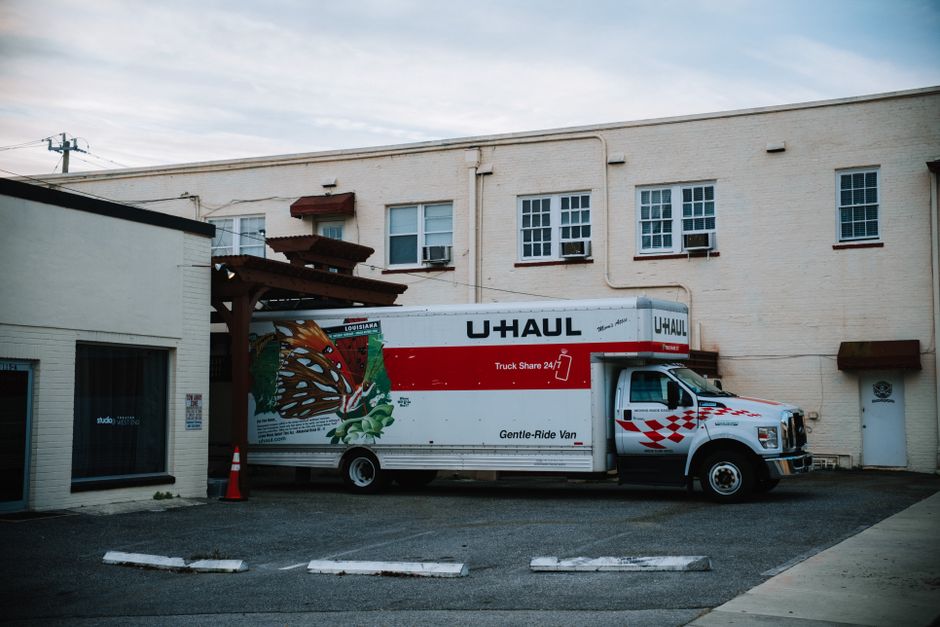
Permit requirements for moving vans near Crystal Palace Park
If you are planning a move close to Crystal Palace Park, the permit side of things can catch you out faster than the packing ever will. One minute you are worrying about boxes, the next you are wondering whether your moving van can stop outside the flat, how long it can stay there, and whether a parking suspension is needed. This guide explains permit requirements for moving vans near Crystal Palace Park in plain English, so you can plan the day properly, avoid avoidable fines, and keep the move moving. To be fair, that is usually what people want most: less faff, fewer surprises, and no last-minute panic in the rain.
Below, you will find a practical breakdown of how permits usually work in this part of South London, when a loading bay or suspension may be needed, what to check before moving day, and how to build a simple plan that keeps everyone on the same page. If you are arranging a home move, office move, or just a bulky furniture pick-up, it is worth reading the whole thing before you book the van.
Table of Contents
- Why permit requirements near Crystal Palace Park matter
- How the permit process usually works
- Key benefits and practical advantages
- Who this is for and when it makes sense
- Step-by-step guidance
- Expert tips for better results
- Common mistakes to avoid
- Tools, resources and recommendations
- Law, compliance, standards and best practice
- Options, methods, and comparison table
- Case study or real-world example
- Practical checklist
- Conclusion
- Frequently asked questions
Why permit requirements for moving vans near Crystal Palace Park matters
Crystal Palace Park is a busy, lived-in part of London. Streets around it can be narrow, heavily parked, and awkward for larger vehicles, especially during school runs, weekends, and peak residential hours. That matters because a moving van is not a quick curbside stop in the same way a car might be. It needs space for loading, room for access, and enough time for safe handling of furniture without blocking traffic or creating a hazard.
When permit requirements are overlooked, the problems are usually very ordinary and very annoying. The van may have to park further away. The crew may need to carry items longer distances. The move may take longer and cost more. In some cases, a parking ticket or suspension issue can be a headache you really did not need on moving day. And moving day already has enough moving parts, frankly.
There is also the neighbour factor. A van left across a dropped kerb, a loading point, or a tight bend near the park can make life difficult for residents and other road users. A careful plan helps you avoid friction, which is especially useful if you are moving out of a flat with shared access, or into a terrace where the pavement space is limited.
If your move is part of a broader home relocation, it can help to line up the practical side with a reliable service such as home moves support or, for lighter jobs, a flexible man and van service. The key is not the label. It is whether the vehicle and the parking plan fit the street.
How permit requirements for moving vans near Crystal Palace Park works
There is no single universal answer for every street around the park, because parking controls can vary from one road to the next. In practice, the moving van usually needs one of three things: a legal place to stop, a loading arrangement that allows work to happen safely, or a permit/suspension if the road restrictions are strict.
Here is the basic idea:
- Some streets allow short loading or unloading if it is done safely and does not break local rules.
- Some roads require a parking permit or paid visitor arrangement even for short stays.
- Some situations need a temporary suspension or special permission, especially where bays, controlled zones, or heavy congestion make stopping difficult.
Moving vans are usually treated differently from a family car because they are larger, slower to load, and more likely to affect traffic flow. If your van is high-sided, long-wheelbase, or bringing furniture requiring trolleys, the space requirement gets bigger. That is where planning matters. A van that is technically allowed to stop may still be a poor fit for the street if it blocks pedestrians, cycle lanes, or other residents.
In real life, the process starts with confirming where the van can legally stop, how long it can stay, and whether the street has restrictions that apply during your moving window. Then you work backwards from that. If the street is tight, you may need to schedule a smaller vehicle, split the move into two runs, or allow extra time for carrying items from a legal parking point.
Many people also combine the parking plan with packing help. That is not overkill. It is sensible. A service like packing and unpacking services can reduce dwell time at the curb, which helps a lot where access is limited.
Key benefits and practical advantages
Getting the permit side right is not just about avoiding trouble. It makes the whole move smoother. Small details can save a surprising amount of time. And when you are staring at a stairwell full of boxes at 8:30 in the morning, time is not a small detail.
- Less delay on moving day. A legal stopping point means the team can load or unload without playing parking roulette.
- Lower risk of penalties. You are less likely to face a ticket, complaint, or forced move if the vehicle is correctly positioned.
- Better protection for furniture. Shorter carry distances reduce the chance of knocks, scrapes, and the inevitable "how did that happen?" moment.
- Safer handling. Clear access helps movers navigate safely, especially with heavy items like wardrobes, beds, and appliances.
- More accurate scheduling. If the stop is arranged properly, arrival and completion times are far easier to predict.
There is also a quiet benefit that people often miss: fewer conflicts with neighbours and passers-by. That matters in busy residential pockets close to the park, where a van left awkwardly can quickly become everybody's problem.
Expert summary: If the road space is tight, do not treat parking as an afterthought. The best move plans near Crystal Palace Park are the ones where access, timing, and vehicle size are decided together.
If you are coordinating a larger relocation, a more structured service such as house removalists or, for business premises, commercial moves can help you think about access, loading, and time windows as one job instead of three separate headaches.
Who this is for and when it makes sense
This topic matters most if you are moving anywhere near the park and your vehicle needs to stop on-street, even briefly. That could be a student move, a family house move, a flat move with stairs and shared entrances, or a business relocation with boxes and office furniture. It also matters if you are collecting a sofa, desk, bed frame, or anything large enough to need a van rather than a car.
You should think seriously about permits or parking permissions if any of the following apply:
- the property is on a narrow or busy road
- parking is permit-controlled or meter-controlled
- you expect the van to stay more than a few minutes
- you need to load from directly outside the property
- the move is happening at a busy time of day
- there are access issues such as steps, a steep path, or shared entry gates
For some people, the right answer is not a huge truck at all. A smaller vehicle, such as a man with van arrangement, may be easier to park and quicker to manoeuvre. For others, a larger vehicle makes more sense, especially where there are multiple rooms, bulky items, or an office full of equipment. There is no prize for using the biggest van on the street. Fit the vehicle to the job. Simple.
If the move includes a mix of old items and unwanted furniture, a separate furniture pick-up can sometimes be a useful add-on, especially if you are trying to clear space before the main move.
Step-by-step guidance
Here is the simplest way to tackle the permit question without overcomplicating it.
- Check the exact address and road conditions. Look at whether the property sits on a main road, side street, estate road, or controlled parking zone. The actual street matters more than the neighbourhood name.
- Measure the access problem honestly. Can a van stop nearby? Is there space for doors to open? Will the crew need wheeled equipment? These are small questions with big consequences.
- Decide what vehicle size is realistic. A compact van may work for a one-bedroom flat. A larger removal vehicle may be better for family homes or office moves. A moving truck or removal truck hire option can be useful when volume is high, but only if the street can handle it.
- Confirm whether the street allows loading. Some roads are fine for short loading; others are not. Do not assume the van can simply wait outside.
- Check whether a temporary permit, suspension, or visitor arrangement is needed. The right solution depends on local controls and the length of the stop.
- Build the move around the parking window. Schedule the crew arrival so that heavy lifting happens during the permitted time, not after it.
- Protect the carry route. If the van is a little further away, make sure the walking path is safe and as short as possible.
- Keep your documents and contact numbers handy. If there is an issue on the day, you want quick access to booking details, property information, and any parking reference you have been given.
A useful habit is to walk the street yourself the day before, ideally at roughly the same time as the planned move. Around 8 a.m. or late afternoon, a street can feel very different from a quiet midday photo. You will notice where delivery vans usually stop, where people double park, and which corners are best avoided. That one little walk can save a lot of guesswork.
Expert tips for better results
Here are the small things that tend to make a big difference.
- Book the parking plan before you book the stress. If the street is tricky, resolve access first. Then choose the vehicle.
- Use the smallest suitable vehicle. Smaller vans are often easier to position near tight residential roads around the park.
- Allow a buffer for lift access and stairs. Even if the parking is perfect, internal access can slow everything down.
- Tell the moving team about the street in detail. Say whether it is narrow, one-way, steep, or busy. "It's fine" is not helpful. You know what I mean.
- Pack for fast loading. Clear labels, grouped boxes, and dismantled furniture reduce van time and keep the street stop short.
- Think about neighbours early. If a van may partially affect access, give people notice where possible. A quick heads-up goes a long way.
- Have a wet-weather plan. London weather can be annoyingly present. Plastic covers, floor protection, and ready-to-go boxes help if the morning turns grey and drizzly.
For bigger jobs, a specialist team with experience in both domestic and business relocations can help you coordinate the details more calmly. If your move is office-based, office relocation services are worth considering because timing, access, and minimising disruption become even more important in commercial settings.
And one more thing: do not leave permit questions until the night before. That route leads to phone calls, crossed fingers, and possibly a van circling the block while everyone stands around with a kettle of cold tea.
Common mistakes to avoid
Most problems around moving van permits are not dramatic. They are just small planning misses that snowball. The good news? They are avoidable.
- Assuming "it's only for an hour". Even short stops can still need permission depending on the road.
- Booking the wrong vehicle size. A large vehicle may be unnecessary, or worse, impossible to park legally near your property.
- Ignoring loading restrictions. A space that looks free may still be restricted for loading at that time.
- Forgetting about access width. If the van cannot safely get near the property, the move becomes slower and more expensive.
- Not checking busy periods. Around school runs, weekend traffic, or event days, a normally manageable street can become a nuisance.
- Leaving paperwork in the wrong place. If the van needs to display or reference a permit, make sure the driver has what they need.
- Using guesswork instead of confirmation. If you are unsure, ask before moving day. Much better to sound cautious than to sound sorry later.
It is also easy to forget how much the final five metres matter. A move can go smoothly for an hour and then stall because the van is parked too far away or across the wrong section of road. That last stretch is where many people lose time, energy, and patience.
Tools, resources and recommendations
You do not need a box of specialised tools to sort this out, but a few practical items help:
- Phone photos of the street. Take pictures of the frontage, kerb, and nearest junction. Handy if you need to explain access to the van crew.
- A rough floor plan. Especially useful for flats, maisonettes, and office spaces where internal carrying routes matter.
- A moving inventory. A simple list of large items helps match vehicle size to load volume.
- Measuring tape. Quick measurements of doorways, stair landings, and big furniture can prevent delays.
- Booking notes. Keep the moving date, time window, contact name, and any access instructions in one place.
As for recommendations, it helps to work with a mover who understands London streets rather than one who treats every job like a blank postcode. Services such as man and van can be a good fit for flexible, smaller-scale moves, while removal truck hire can suit larger volumes if access and timing are properly checked.
If you are trying to keep costs sensible, you can also look at how service scope affects the final job. For example, choosing only the carrying help you need, or adding packing and unpacking services only where it genuinely reduces pressure, may be more efficient than buying a bigger service than necessary.
Law, compliance, standards and best practice
Because parking and moving vans touch public roads, road safety, and sometimes local restrictions, it is sensible to treat the topic carefully. The exact rules can vary by street and by authority, so the safest approach is always to confirm the local arrangement for the specific location rather than rely on general assumptions. That is especially true around controlled parking areas, loading restrictions, or roads with limited stopping space.
From a best-practice point of view, moving vans should be parked in a way that avoids unnecessary obstruction, keeps pedestrians safe, and respects any loading or waiting conditions in force. If the move involves a larger vehicle, the operator should also think about turning space, bridge height, kerb access, and whether the vehicle can stop without causing a hazard. Not glamorous, I know, but it matters.
Commercial moves and domestic moves alike benefit from clear communication. The person booking the job should be upfront about the street layout, any access quirks, and whether the vehicle may need to be positioned some distance from the front door. A good moving team will usually plan around that rather than pretending the street is wider than it is.
If you are comparing providers, it is worth checking practical assurances too, such as insurance and safety information and the company's published health and safety policy. Those pages can tell you more about how seriously a company takes safe lifting, vehicle handling, and on-site conduct.
For customers who value transparent business practice more broadly, it can also be reassuring to review terms and conditions, payment and security, and the company's approach to recycling and sustainability. Different topics, yes, but they all point to whether the operation is organised and trustworthy.
Options, methods, and comparison table
There are a few common ways to handle a move near Crystal Palace Park, and the best choice depends on the street, the load, and how much access you have.
| Option | Best for | Pros | Watch out for |
|---|---|---|---|
| Small van or man and van | Smaller homes, single-room moves, furniture pick-ups | Easier to park, flexible, often quicker on tight roads | May need multiple trips if the load is larger than expected |
| Medium/large moving van | Typical flat moves, family homes, heavier loads | Better capacity, fewer trips, efficient for fuller moves | Can be harder to stop legally near narrow streets |
| Removal truck hire | Large properties, multi-room moves, full-house relocation | High capacity and structured loading | Requires more careful parking and access planning |
| Office move vehicle plan | Business relocation, equipment, desks, archives | Good for organised loading and timed access | Needs careful scheduling to reduce disruption |
The comparison is not about "best" in the abstract. It is about fit. A small van might be the smartest option on a tight road, even if it means another trip. A bigger vehicle might save time overall if the street can handle it safely. The answer changes by address, which is why a quick site check is so useful.
Case study or real-world example
Here is a typical example. A couple moving from a second-floor flat near Crystal Palace Park had a sofa, a bed, several boxes, and a few awkward plants that were absolutely not going to enjoy the stairs. The street looked fine at first glance, but parking was tight and there were parked cars along both sides. On the morning of the move, the team realised a full-sized vehicle would make the access awkward and add too much carry distance.
Instead of forcing the issue, the move was re-planned around a smaller vehicle and a closer loading position on a nearby section of road where stopping was more practical. The result? Less stress, fewer complaints, and a faster load. Not magical. Just sensible.
In another case, an office relocation close to the park was handled with a tighter time window and a clear loading sequence so the heaviest items were first off the van. The key lesson was simple: the permit or parking arrangement only works if the move itself is organised around it. A good parking plan without a good loading plan is only half a plan.
Practical checklist
Use this before moving day. It is simple, but it works.
- Confirm the exact address and street layout
- Check whether the road is permit-controlled or loading-restricted
- Decide whether a small van, larger van, or truck is realistic
- Allow extra time for stairs, lifts, and long carry distances
- Take photos of the frontage and kerb space
- Tell the moving team about any access issues
- Keep booking details and contact numbers ready
- Protect floors, doorways, and furniture corners
- Plan for rain, traffic, and last-minute parking changes
- Do a final walk-through before the van leaves
If you are still deciding how much help you need, the wider service pages such as house removalists and commercial moves can help you compare the level of support that suits the job, while pricing and quotes is useful if you want a clearer sense of budget before you commit.
Conclusion
Permit requirements for moving vans near Crystal Palace Park are really about one thing: making sure the vehicle can stop, load, and leave without turning moving day into a parking argument. The closer you are to controlled, narrow, or busy streets, the more important it becomes to plan access properly. And once that is sorted, the rest of the move usually feels a lot lighter.
Truth be told, most moving problems are not caused by the boxes. They are caused by the bits around the boxes: where the van parks, how long it waits, who can access the door, and whether someone checked the street before the big day. Get those pieces right and everything else becomes easier to manage. A bit of prep now saves a lot of walking back and forth later.
Get a free quote today and see how much you can save.
When you plan it properly, a move near Crystal Palace Park can be calm, efficient, and surprisingly uneventful - which, on moving day, is a lovely thing.
Frequently Asked Questions
Do I need a permit for a moving van near Crystal Palace Park?
Possibly, yes. It depends on the exact street, local parking controls, and how long the van needs to stop. Some streets allow loading, while others require a permit, suspension, or another form of permission. The safest approach is to check the specific address rather than assume the whole area works the same way.
Can a moving van just stop outside my house for a few minutes?
Sometimes, but not always. Even a short stop can be restricted if the road has loading rules, resident-only controls, or limited space. If the van is large or the street is busy, short stops can still create problems. It is better to confirm first than hope for the best.
What is the difference between a permit and a parking suspension?
A permit generally gives permission to park or load under certain conditions. A parking suspension temporarily removes or changes a normal parking rule for a specific time or space. In moving situations, the right solution depends on the road and the access setup. They are not interchangeable, which catches people out more often than you would think.
How far in advance should I sort the parking arrangements?
As early as possible. The more complicated the road, the earlier you should check it. If your move depends on a limited loading window, do not leave it until the last minute. Early planning gives you time to adjust vehicle size, timing, or the route to the property.
What if the van cannot park directly outside?
Then the crew may need to use a nearby legal stopping point and carry items further. That can still work, but it usually takes more time. It may also affect the price if the job becomes slower or requires extra labour. This is one of the most common reasons moves near busy streets take longer than expected.
Are smaller vans easier to use near Crystal Palace Park?
Usually, yes. Smaller vans are often easier to position on narrow roads and may be more practical where parking is tight. That said, if the load is too big, a smaller van may mean extra trips. The best choice is the one that balances access with volume.
Do I need to think about permits for a furniture pick-up?
Yes, if the van needs to stop on a controlled or restricted road. A single sofa or bed can still require proper loading arrangements. Smaller jobs are often easier to manage, but they are not exempt from parking rules just because the item is one thing rather than a house full of things.
What should I tell the moving company before the job?
Give them the exact address, street type, parking restrictions if you know them, access details, floor level, lift availability, and whether there are any awkward bits like steps or narrow gates. The more specific you are, the easier it is to choose the right vehicle and plan the timing.
Can office moves near Crystal Palace Park face the same permit issues?
Absolutely. Office relocations can be even trickier because they often involve more items, tighter schedules, and less flexibility on timing. If you are moving a business, the access plan needs to be clear from the start. A vehicle that works for a domestic move may not be the right fit for commercial equipment.
What are the most common mistakes people make with moving van permits?
The big ones are assuming short stops are always allowed, booking the wrong vehicle size, and forgetting to check the road itself. People also underestimate loading time. The van may be parked perfectly, but if the boxes are not ready, the clock still keeps ticking.
How can I make the move quicker if parking is limited?
Pack early, label everything clearly, dismantle bulky furniture where possible, and keep the carry route clear. If the street is tight, work with a moving team that understands how to load efficiently. Sometimes a smaller, better-planned move is faster than a bigger one with poor access. Funny how that works.
Where can I get help if I am still unsure about the best option?
Start by comparing the type of move you need with the vehicle and service level that suits it. Pages like man and van, removal truck hire, and home moves can help you think through the practical side, while a direct enquiry through contact us is sensible if your access situation is unusually tricky.