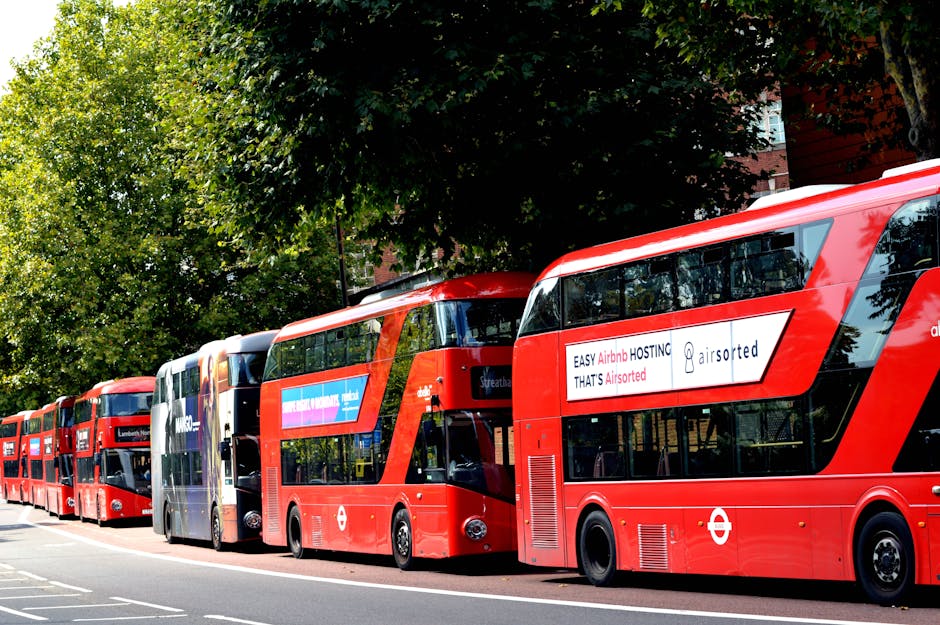
Packing and parking near Brixton Market: a local removals map
If you are moving in or around Brixton Market, the tricky bit is rarely just the lifting. It is the timing, the parking, the loading space, the queue of buses, and the fact that a perfectly ordinary van can suddenly feel far too large for a busy South London street. That is why Packing and parking near Brixton Market: a local removals map matters. It gives you a calmer way to plan the move, reduce delays, and avoid the usual last-minute scramble outside a narrow road with nowhere sensible to stop.
Truth be told, most moving stress in this part of London comes from logistics, not cardboard. If you pack in a way that matches the parking and access you actually have, the day gets easier. If you do not, you end up carrying a kettle, three suitcases, and a box marked "miscellaneous" half a block because the van could not wait. Not ideal.
This guide explains how a local removals map near Brixton Market helps you think through packing order, vehicle positioning, access constraints, and realistic loading plans. It also covers practical choices for home moves, smaller man-and-van jobs, and more complex commercial relocations. If you want help beyond the planning stage, you can also look at home moves, man and van services, or packing and unpacking support depending on what you need.
Table of Contents
- Why packing and parking near Brixton Market matters
- How the local removals map works
- Key benefits and practical advantages
- Who this is for and when it makes sense
- Step-by-step guidance
- Expert tips for better results
- Common mistakes to avoid
- Tools, resources and recommendations
- Law, compliance, standards and best practice
- Options, methods and comparison table
- Case study or real-world example
- Practical checklist
- Conclusion
- Frequently asked questions
Why Packing and parking near Brixton Market: a local removals map Matters
Brixton Market is lively, busy, and often unpredictable in the best and worst ways. That is part of the appeal of the area, but it also means removal day needs more thought than a standard suburban move. A local removals map is not a fancy extra. It is a practical way to work out where the vehicle can stop, where items should be staged, and how to move goods without blocking foot traffic or making the crew drag boxes twice as far as they should.
Near the market, a short walk can become a logistical issue. Pedestrian flow changes through the day, service vehicles come and go, and loading space can be limited. If you are moving from a flat above a shop, a maisonette on a side road, or a property just off the market streets, the route from front door to van matters almost as much as the route to your new place.
The packing side matters for the same reason. If the van has to park a little way off, the best-packed items are the ones you can move quickly: labelled, stackable, and grouped by room. A poorly packed set of boxes can slow everything down, especially when the clock is ticking and the street is busy. To be fair, the difference between a smooth move and a rough one is often just a few small decisions made a day earlier.
Practical takeaway: near Brixton Market, good packing and sensible parking planning are one job, not two separate jobs. The best removals plans treat them together.
This is especially relevant if you are using a smaller vehicle, planning a same-day move, or coordinating around business hours. For larger or more complex jobs, it may help to review moving truck options or even removal truck hire if the load is heavier than it first appears. Moving day has a habit of revealing hidden furniture. Always does.
How Packing and parking near Brixton Market: a local removals map Works
At its simplest, the idea is to map three things before move day: what you are moving, where the vehicle can realistically stop, and how each item will travel from inside the property to the vehicle. Once those three points are clear, the rest becomes much easier to manage.
A good local removals map usually includes:
- the property entrance and the nearest realistic loading point;
- any narrow sections, steps, turns, or awkward kerbs;
- likely congestion points around the market and surrounding streets;
- the size of vehicle that can sensibly fit without causing unnecessary delays;
- where fragile, heavy, or high-value items should be loaded first.
That might sound simple, but it changes how you pack. For example, if the van must park a short distance away, you should group items by weight and room rather than by random room-by-room overflow. A "kitchen first" system can work well because it keeps breakables, small appliances, and labelled boxes together. It also means the crew is not hunting for the toaster while someone else is holding a sofa leg in the doorway.
The parking part is a judgment call. Sometimes a smaller vehicle is the better fit because it can get closer to the property. Sometimes a larger van is better because it reduces the number of trips. The right answer depends on street access, time available, the amount of furniture, and whether the move includes bulky items like wardrobes, beds, or office equipment.
For those comparing service styles, man with van support can be useful for lighter local moves, while a larger load may call for a dedicated removal truck. There is no prize for overcomplicating it.
Key Benefits and Practical Advantages
When you plan packing and parking together, the benefits show up quickly. Less carrying distance. Fewer delays. Less chance of damage. And, quite frankly, less stress for everyone involved.
Here are the main practical advantages:
- Faster loading: boxes are packed in a way that suits the route from property to vehicle.
- Better safety: fewer awkward lifts, less rushing, and fewer trip hazards.
- Less wasted time: no repeated trips because the van could not park close enough for long.
- Reduced breakage risk: fragile items can be stacked properly and kept together.
- Cleaner budgeting: efficient loading can reduce labour time, which can matter on smaller jobs.
- Less disruption to neighbours and traders: important in a busy market area where everyone is already working around each other.
There is also a quieter benefit that people often miss: confidence. Once you know the loading plan, you stop second-guessing every box. That sounds small, but on moving day, confidence matters. It keeps the team moving and helps you make quicker decisions when the street is not behaving exactly as planned, which it often does not.
If you are moving a home, the process may sit naturally alongside house removalists or home moving services. For a business unit or a studio near the market, commercial moves and office relocation services are worth considering because commercial timing and access needs can be tighter than domestic ones.
Who This Is For and When It Makes Sense
This approach is useful for anyone moving in a dense, active part of Brixton, but some people benefit more than others. If you live above a shop, on a busy side street, or in a building where the nearest stop is not exactly outside the front door, a local removals map can save a lot of grief.
It makes particular sense for:
- flat moves near the market or off nearby main roads;
- students or renters with mixed loads of furniture and personal items;
- families moving on a tight schedule;
- small businesses shifting stock, shelving, or equipment;
- anyone moving on a weekend when roads feel busier and parking options are tighter;
- people with bulky furniture or awkward stair access.
If the move is very small, a compact van and a tight packing plan may be enough. If the move is more substantial, you may want to look at a broader removals solution, perhaps with packing and unpacking services so the items are ready for load-out without last-minute chaos.
One realistic example: a one-bedroom flat with a bike, a desk, a mattress, six medium boxes, and a few fragile kitchen bits. On paper, that sounds manageable. In practice, if the van has to wait on a restricted street while someone carries boxes from a third-floor flat, the packing order suddenly matters a lot. Put the fragile items and essentials in a clearly marked group. Keep heavy items low and close to the door. Little details, big difference.
Step-by-Step Guidance
If you want the move to feel organised rather than improvised, work through the process in a clear order. No need to make it dramatic. Just methodical.
- Walk the route before move day. Check the path from your front door to the closest sensible stopping point for the vehicle. Notice steps, gates, bends, and tight corners.
- Decide what needs special handling. Separate fragile items, valuables, plants, electronics, and anything awkwardly shaped.
- Choose the vehicle size with access in mind. A bigger vehicle is not always better if it cannot stop where needed.
- Pack by load order, not just by room. Keep first-load items accessible and easy to stack. Label clearly.
- Prepare parking and unloading arrangements early. If you need to coordinate with neighbours, building management, or a commercial landlord, do that before move day.
- Set aside a small essentials kit. Keep documents, keys, chargers, snacks, water, and basic tools separate.
- Load in the right sequence. Heavy items first, fragile items protected, and essential boxes in a position that makes unloading easier at the other end.
One helpful trick is to think in zones: door zone, van zone, and destination zone. If each zone is clear, the move stays orderly. If every box is treated as an emergency, the day gets messy fast. And nobody needs that at 8:30 in the morning with traffic already building.
For moves where the packing job itself is the real bottleneck, it can be worth comparing support options through pricing and quotes. A little planning at the start often costs less than a long, awkward day of extra labour.
Expert Tips for Better Results
After enough moves in busy South London streets, a few patterns become obvious. The first is that the simplest plan is usually the one that survives the day. The second is that overfilled boxes cause more trouble than people expect. The third? Someone always forgets the box cutter.
Here are the tips that matter most near Brixton Market:
- Label on two sides. A box turned the wrong way should still be readable.
- Pack heavier items in smaller boxes. Books, records, and kitchenware get very heavy very quickly.
- Keep a "first-night" box separate. Think kettle, toiletries, charger, a change of clothes, mug, and basic bedding.
- Use soft items as padding. Towels, blankets, and clothing can protect awkward breakables.
- Photograph cable setups before disconnecting. Saves a lot of guesswork later.
- Load by priority, not emotion. The lamp you love can go in safely after the sofa is secure.
Also, and this is a small thing but important, keep a mental eye on walking routes. Brixton's streets can be lively, and a busy pavement is not the place to be carrying a wobbly mirror or a stack of boxes that obscure your view. A steady pace beats a heroic sprint every time.
If you are unsure whether your move needs a larger vehicle or just better packing, the safest option is to speak with a provider that understands both access and load planning. Start with the basics, then build from there. That keeps things sensible.
Common Mistakes to Avoid
Most moving mistakes are not dramatic. They are small, ordinary choices that create big inconvenience later. The good news is they are easy to avoid once you know what to look for.
- Leaving parking too late: if the van arrives before the route is clear, the whole day can slip.
- Overpacking boxes: they become hard to carry and more likely to split.
- Ignoring street width or turning space: the vehicle may fit in theory and still be awkward in practice.
- Mixing essentials with storage items: then you spend the first evening searching for phone chargers and bedding.
- Forgetting loading order: the van gets full, but not in a way that helps unpacking later.
- Underestimating time around the market area: busy streets, pedestrians, and general London life can all add minutes.
There is one mistake people make repeatedly: assuming parking is just a minor detail. Around Brixton Market, parking is part of the move itself. If the vehicle is awkwardly placed, every other part becomes harder. If it is well positioned, everything moves more smoothly. Simple, really.
Another one is poor communication. If you are using helpers, a driver, or a removal team, make sure everyone knows which entrance to use, what is fragile, and what absolutely must go first. It sounds obvious. It is often the bit that gets missed.
Tools, Resources and Recommendations
You do not need a mountain of equipment to move well, but the right basics make a noticeable difference. Here is a practical starter list.
- strong double-wall boxes for heavy or mixed items;
- packing paper or bubble wrap for breakables;
- marker pens and labels;
- stretch wrap for drawers and soft furniture protection;
- blankets or furniture pads;
- tape that actually sticks; not the cheap stuff that gives up halfway through the day;
- gloves and sturdy footwear;
- a phone with maps and photos of the property access points.
For some moves, you may also want a provider that can handle heavier furniture or mixed household loads. In those cases, a service like man and van transport can suit smaller, flexible moves, while a larger set-up may benefit from a moving truck. If you also need to clear out unwanted items, furniture pick-up can help you reduce clutter before moving day.
It is also worth checking the practical side of hiring and payment. If you want to understand how bookings are handled, payment and security information should be part of your early planning. Small detail, but important, especially if the move is time-sensitive.
Law, Compliance, Standards, or Best Practice
Moving in a busy area does not usually involve complicated legal issues, but you do need to respect local conditions and common UK moving best practice. Around Brixton Market, that means thinking about access, obstruction, parking restrictions, and safe handling of goods. The exact parking rules will depend on the street, time, and local signage, so always check before you rely on a space being available. Do not assume the obvious spot is fine; in London, obvious is often misleading.
Best practice usually includes:
- not blocking pedestrians, shop entrances, or emergency access;
- avoiding unnecessary double parking;
- loading and unloading as efficiently as possible;
- keeping paths clear of packaging waste and trip hazards;
- using lifting techniques and equipment that reduce injury risk;
- making sure fragile or valuable items are protected properly.
If you are choosing a removals company, it is sensible to review their health and safety policy and insurance and safety information. That does not just tick a box. It tells you whether the team takes both people and possessions seriously. You want calm competence on moving day, not improvisation.
For sustainability-minded moves, look at recycling and sustainability practices too. Packing materials, unwanted furniture, and end-of-move waste should be handled responsibly where possible. London moves create enough mess already. No need to add avoidable waste into the mix.
Options, Methods, or Comparison Table
If you are deciding how to approach the move near Brixton Market, the best method depends on property type, load size, and access. Here is a simple comparison to help you think it through.
| Approach | Best for | Strengths | Limitations |
|---|---|---|---|
| Self-pack and small van | Light local moves, a few rooms, flexible timing | Lower cost, simple booking, good for short hops | More hands-on work, less ideal for bulky furniture |
| Man and van | Flat moves, student moves, mixed household items | Flexible, practical, often better for tight streets | May need careful packing to keep the job efficient |
| Packed support plus larger vehicle | Heavier loads, more furniture, tighter schedules | Better for volume, faster loading, fewer trips | Needs more planning and clearer access arrangements |
| Full packing and removal service | Busy households, fragile items, limited time | Least stressful, most organised, very efficient on the day | Higher service level, so planning and quotes matter more |
A sensible rule of thumb: if access is tight, efficiency matters more than raw vehicle size. If the property is easier to reach but the load is large, a bigger vehicle may save time. If you are still unsure, use quotes and pricing guidance to compare practical options instead of guessing.
Case Study or Real-World Example
Imagine a couple moving out of a first-floor flat near the market on a Saturday morning. They have a sofa, mattress, a dining table, eight boxes, a TV, and kitchen items wrapped in whatever paper they had left in the house. The street is already busy, with shoppers, delivery scooters, and people carrying coffee. A van can stop nearby, but not right outside the door for long.
Without a local removals map, the move would probably start with confusion: where can the van wait, which items come first, and who is carrying what? Now picture the same move with a plan. Fragile boxes are packed together and labelled. The sofa is moved first. The driver knows the closest practical stop. One person stays near the door to keep the route clear, another moves the boxes in order, and the essentials bag is set aside. Not glamorous. But it works.
What changes most is the feeling of the day. The couple are still busy, of course. They still have to lift, check, and sign off a few things. But there is no constant uncertainty. And when the last box is in, the van leaves without a long delay or a tense argument about parking. That part alone is worth a lot.
For a similar move, you might combine a local packing plan with house removal support or a home move service if you want someone to manage the flow from start to finish. It is the difference between "we will see how it goes" and "we already know where everything is going".
Practical Checklist
Use this checklist a day or two before the move. It is simple, but it catches the little things that cause most stress.
- Confirm the moving date and arrival window.
- Check the most realistic parking and loading point.
- Measure large furniture and awkward items.
- Label boxes by room and priority.
- Pack a first-night essentials bag.
- Set aside fragile items with clear handling notes.
- Keep keys, documents, and chargers in one safe place.
- Prepare tape, markers, and wrapping materials.
- Remove obstacles from hallways and doorways.
- Tell neighbours or building contacts if access may be affected.
- Review any relevant safety or insurance information.
- Make sure the vehicle plan suits the street, not just the inventory.
If you are moving office stock, equipment, or archived items, the checklist should be slightly stricter. Commercial moves near a market area can get interrupted more easily, so it helps to work from a clear load order and a fixed loading point. That small bit of discipline pays off.
Get a free quote today and see how much you can save.
Conclusion
Packing and parking near Brixton Market: a local removals map is really about making a busy area manageable. When you think about packing and parking together, you reduce the chances of delays, protect your belongings, and make the day feel less chaotic. That is the goal, after all. Not perfection. Just a move that runs with a bit of rhythm and a lot less stress.
If your move is straightforward, a smart box plan and a compact van may be enough. If it is more complex, a more complete removals service can save time and protect your energy. Either way, the winning move is the same: plan access early, pack with purpose, and treat parking as part of the job, not an afterthought.
And if you are standing at the front door with a label in one hand and a tape gun in the other, wondering whether this is all a bit much, it usually is. But it is also manageable. One box at a time, one careful stop at a time.
Frequently Asked Questions
What does a local removals map near Brixton Market actually help with?
It helps you plan where the vehicle can stop, how far items need to be carried, which route is safest, and how to pack the load so loading and unloading stay efficient. In a busy area, that can make a big difference.
Do I need a larger van if I am moving near Brixton Market?
Not always. A larger van may reduce trips, but it is only helpful if it can park and load safely. In tighter streets, a smaller vehicle can be the smarter choice.
How far in advance should I plan parking for a move in Brixton?
As early as possible. Even a simple local move benefits from checking access, loading points, and likely street conditions before moving day. Leaving it until the morning can create avoidable stress.
What should be packed first for a move near the market?
Start with non-essential items, then group fragile items, heavy items, and first-night essentials separately. Packing with loading order in mind is usually more useful than packing randomly by room.
Are man and van services suitable for Brixton Market moves?
Yes, especially for smaller flats, shorter local moves, or mixed household loads. If access is tight, a flexible vehicle and careful packing can be a strong combination.
How do I protect fragile items if the van has to park a little away from the door?
Use sturdy boxes, good internal padding, and clear labels. Keep fragile items together and avoid overfilling boxes. The less juggling you do, the safer the move tends to be.
What if the street is too busy to stop for long?
Then speed and preparation matter even more. Have boxes labelled, the route cleared, and the loading order agreed in advance. That way, the stop is short and controlled rather than messy.
Should I use packing and unpacking services?
If you are short on time, moving with children, handling a lot of breakables, or simply want a smoother day, packing support can be very worthwhile. It is especially useful when parking or access may slow the move.
How can I keep costs under control on a local removals job?
Pack early, reduce clutter, choose the right vehicle size, and make access as easy as you can. You can also compare options through pricing and quotes before booking.
What safety checks matter most on moving day?
Clear walkways, stable lifting, good footwear, secure packing, and a sensible loading order. If you are hiring help, it is also sensible to review their health and safety policy and insurance details.
Can I combine furniture clearance with my move?
Yes, and it can make the move much cleaner. If you have items you do not want to take, a furniture pick-up service can help reduce load and free up space before moving day.
What is the best next step if I am still unsure?
Start with the route, then the packing list, then the vehicle size. If you want professional help, contact a removals team that understands local access and planning. A quick conversation can prevent a lot of guesswork later.
If you are ready to take the next step, you can also explore contact options or learn more about the team through about us. A calm, well-planned move is still possible near Brixton Market. Honestly, it is more possible than people think.