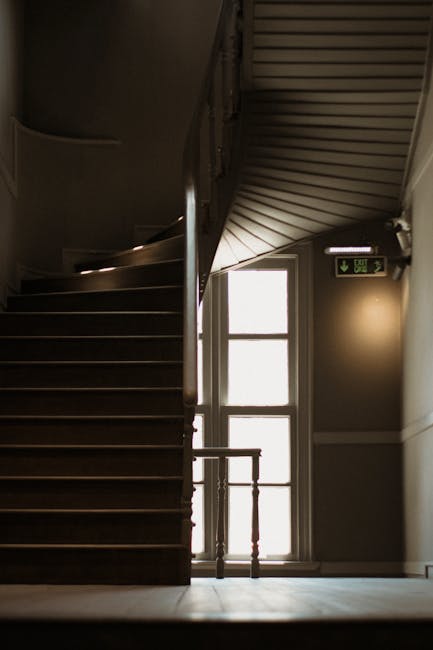
Moving through narrow Victorian stairs in SE24 homes
If you are moving through narrow Victorian stairs in SE24 homes, you already know this is not a standard lift-and-load job. The staircases are often steep, turning, and just a little unforgiving, with banisters that catch on sofas and landings that seem to shrink the moment a mattress appears. It can be done smoothly, though. With the right preparation, careful handling, and a realistic plan, the move feels far less stressful than it first looks.
This guide walks you through the practical side of the move: what makes these stairs tricky, how the process usually works, how to protect your belongings and the property, and when it makes sense to bring in experienced help such as a man and van service or a team experienced in home moves. It is written for real life, not perfection. A little planning goes a long way.
Table of Contents
- Why it matters in SE24 Victorian homes
- How the move actually works
- Key benefits and practical advantages
- Who this is for and when it makes sense
- Step-by-step guidance
- Expert tips for better results
- Common mistakes to avoid
- Tools, resources and recommendations
- Law, compliance, standards and best practice
- Options and comparison table
- Case study or real-world example
- Practical checklist
- Conclusion
- Frequently asked questions
Why Moving through narrow Victorian stairs in SE24 homes Matters
Victorian homes in SE24 often have charm in spades: original features, tall ceilings, bay windows, and staircases that look lovely in photos but are much less charming when you are carrying a wardrobe up them. The issue is not only width. It is the combination of narrow treads, awkward turns, low light, and old timber details that can be chipped or scuffed easily. One careless lift and you are dealing with a damaged bannister, a scraped wall, or a sofa that simply will not make the corner.
This matters because the stairs are usually the route everything must use: beds, white goods, drawers, mirrors, fragile boxes, even office furniture if you are shifting a work setup. In homes where access is tight, the move is as much about route planning as it is about lifting. That is why people moving in SE24 often think in terms of the whole property, not just the front door. A small hesitation at the top of the stairs can cause a bottleneck, and bottlenecks are where accidents happen.
It also matters for time. A move that would be straightforward in a modern flat with a lift can take significantly longer in a Victorian house with narrow stairs, especially if furniture has to be rotated, partially dismantled, or carried in a controlled sequence. And truth be told, the stress factor climbs quickly if nobody has thought through the order of removal.
Expert summary: In narrow-stair Victorian homes, success comes from route planning, measured lifting, the right equipment, and a calm pace. Rushing is usually where the trouble starts.
For many households, the best approach is to pair careful pre-move preparation with a practical service such as house removalists or a flexible man with van setup when the property access is especially awkward.
How Moving through narrow Victorian stairs in SE24 homes Works
The process starts before the first box is lifted. A proper move through narrow stairs usually begins with a visual assessment of the property: stair width, ceiling height, landing space, any sharp corners, handrail positions, and whether larger items need partial dismantling. In some homes, the turn on the stairs is so tight that a mattress must go up or down at an angle. In others, the problem is less about width and more about getting around the bend without scraping paintwork.
Once the access is understood, the move is broken into manageable parts. Furniture is often wrapped, corners are protected, and the team decides what should move first. Heavy items may go last on the way down and first on the way up, depending on how the space opens up. A hallway that feels cramped at 9am can feel even tighter by lunchtime if boxes start stacking near the stairs. Small details matter here. They really do.
Good movers use simple but effective methods: lifting with clear verbal cues, keeping items vertical where possible, and pausing before each turn rather than forcing the angle. On the day, the stair route is kept as clear as possible. Shoes, mats, plant pots, and loose ornaments tend to disappear from the path. If the move includes larger items or a full household load, a moving truck or removal truck hire may be used to stage items efficiently outside, reducing repeated trips through the property.
If packing support is part of the plan, services like packing and unpacking services can make a big difference because well-packed boxes are safer to carry on narrow stairs. Heavy items in small boxes, fragile items cushioned properly, and labels that show which room each box belongs to. Simple, but effective.
Key Benefits and Practical Advantages
There are real advantages to approaching a narrow-stair move properly rather than hoping it will somehow work itself out. The first is obvious: fewer mishaps. A careful plan reduces the chance of damaged furniture, scuffed walls, cracked picture frames, and the classic "it looked bigger in the van" moment.
Another benefit is efficiency. When every item has been thought through, the move becomes more orderly. The team does not have to stop and argue over whether the wardrobe should go sideways or upside down, because the route was checked beforehand and the order of loading was already decided. That kind of clarity saves energy. By the afternoon you feel it.
There is also a trust element. If you are moving a family home, or even a small business from an upper floor in SE24, it helps to know the movers understand older buildings and awkward access. You are not paying for brute force. You are paying for judgement, patience, and the ability to handle the unexpected without turning the day into a drama.
Practical advantages usually include:
- less risk to walls, bannisters, flooring, and furniture
- better control on turns and landings
- shorter delays caused by trial-and-error manoeuvring
- easier coordination between packing, loading, and unloading
- lower physical strain on everyone involved
If you are also clearing out old furniture at the same time, a furniture collection or furniture pick up option can simplify the job and stop the house from filling with pieces you no longer need.
Who This Is For and When It Makes Sense
This kind of careful moving approach makes sense for anyone living in or moving into a Victorian terrace, conversion, maisonette, or older flat in SE24 where stair access is limited. It is especially useful if you own bulky furniture, have fragile antiques, or simply do not fancy discovering at the top of the stairs that your sofa has other plans.
It is a strong fit for:
- families moving between period homes with tight internal access
- tenants moving in or out of upper floors with steep staircases
- homeowners with large furniture that needs dismantling or reassembly
- small businesses relocating office furniture from older buildings
- anyone moving under time pressure who still wants the job done safely
It can also be the right choice if you are trying to avoid damage during a move that includes valuable timber furniture, mirrors, artwork, or awkward white goods. Let's face it, a fridge freezer and a narrow Victorian stairwell are not natural friends. If access is especially limited, a full team from commercial moves or office relocation services can be more practical than trying to improvise with a couple of strong backs.
For some moves, the smarter decision is not more muscle, but better sequencing. That is often the difference between a manageable day and a very long one.
Step-by-Step Guidance
If you are tackling a move through narrow Victorian stairs, a methodical approach is your best friend. Here is a sensible sequence that works in many SE24 properties.
- Measure the tricky parts. Check stair width, landing size, ceiling clearance, and any tight turns. Measure your largest items too. Do not guess. The tape measure is never glamorous, but it is a hero.
- Identify what must be dismantled. Beds, wardrobes, dining tables, and some desks move more safely in pieces. Keep screws, bolts, and fittings in labelled bags.
- Clear the route. Remove mats, pictures, loose furniture, and anything that could catch on hands or feet. Protect the floor if needed.
- Wrap and pad the furniture. Use blankets, covers, and corner protection. In older houses, the paintwork and plaster can be surprisingly easy to mark.
- Load in a sensible order. Put awkward or heavy pieces where they can be reached without blocking everything else.
- Move one item at a time. It sounds obvious, but in a cramped stairwell, more than one item at once is asking for trouble.
- Pause before the turns. The landing and stair bend are where most problems happen. Slow down there.
- Check each room before leaving. Period homes hide things in corners. Behind doors. Under stairs. Everywhere, really.
A real-world example: a mattress may fit upright on the straight section but catch on the turn if carried flat. The solution is not force. It is angle, communication, and sometimes an extra pause on the landing while two people reset their grip. That tiny pause saves a lot of swearing. Not much, but enough.
If you want a more hands-off move, combining route planning with home moves support is often the easiest route for busy households.
Expert Tips for Better Results
There are a few habits that make narrow-stair moves much easier. Some are simple, almost boring, but they work. In our experience, that is often what good moving advice looks like.
- Use the smallest practical box size. Overpacked large boxes are awkward, especially on turns.
- Keep weight low and even. Heavy items should be packed tightly so they do not shift mid-carry.
- Protect the staircase before you start. It is easier to prevent a scuff than explain one afterwards.
- Assign one person to direct each lift. Too many voices in a stairwell becomes noise very quickly.
- Reserve the hardest item for when everyone is fresh. Save energy for the sofa, wardrobe, or bed base.
- Allow for the weather. A damp Saturday morning in South London can make steps, hands, and doorframes a little less forgiving.
One useful trick is to walk the route from front door to the stair bend with the largest item in mind, not just with your eyes but in your head. Ask yourself: can this turn be made without touching the wall? Can the item be tilted without hitting the ceiling? If the answer is no, re-plan before lifting. It is not overthinking. It is experience.
Another sensible step is to choose the right transport size. A slightly bigger vehicle may reduce the number of trips, but access and parking still matter in SE24 streets. That is where a well-matched man and van arrangement or moving truck can be more practical than trying to squeeze everything into a less suitable setup.
Common Mistakes to Avoid
The biggest mistake is simple: underestimating the staircase. Victorian stairs often look manageable from the bottom, then somehow become more complicated half way up. That is normal. The answer is preparation, not optimism.
Other common mistakes include:
- Failing to measure large items. A sofa can fit the room and still fail at the landing.
- Not dismantling enough furniture. Leaving things intact because it seems quicker often costs more time later.
- Packing boxes too heavy. Heavy boxes are hard enough on flat ground; on stairs they are a nuisance.
- Ignoring the walls and banisters. Older properties show damage easily.
- Leaving clutter near the staircase. Even a small basket or lamp can become an obstacle.
- Trying to rush the turn. This is the moment people regret rushing. Every time.
Another subtle mistake is not communicating. People assume the other person can see the corner, the step, the edge, the low beam. They cannot. Say it aloud. "Hold." "Tilt." "Stop." "Reset." It sounds basic because it is basic, and basic works.
If the job feels too tight for confidence, it is sensible to compare options, including removal truck hire and support from an experienced house removalists team.
Tools, Resources and Recommendations
You do not need a warehouse of kit, but the right tools help. The goal is to reduce strain, improve grip, and protect the property.
- Removal blankets and furniture covers: useful for preventing knocks and surface scratches.
- Ratchet straps or securing straps: helpful for keeping furniture stable during transit.
- Padding for corners and bannisters: especially useful in older homes with painted timber details.
- Gloves with good grip: not too bulky, just enough to steady a hold.
- Tool kit for dismantling: screwdrivers, Allen keys, and a small container for fittings.
- Labels and marker pens: simple but invaluable for room-by-room organisation.
- Floor protection: cardboard, protective runners, or coverings if the route is especially tight.
For many moves, the most useful "resource" is a calm plan and a clear floor path. And maybe a cup of tea afterwards. That part is not officially a tool, but it helps.
If you are concerned about the handling, insurance, or the way items are loaded and secured, it is wise to review the business's insurance and safety information and its health and safety policy. Those pages are worth a look before moving day because they tell you how a company thinks about risk, not just how it markets itself.
Law, Compliance, Standards and Best Practice
For a domestic move, there is usually no special legal rule about Victorian stairs themselves, but good practice still matters. Anyone carrying out removals should work safely, avoid obvious hazards, and handle items in a way that reduces the chance of injury or property damage. That is standard, sensible business practice in the UK and applies whether the job is a one-bed flat or a family house.
In practical terms, the important points are straightforward:
- Manual handling should be sensible and controlled. Items should not be lifted in a way that creates avoidable strain or slips.
- Access should be assessed before work starts. If the stair route is too narrow for a piece of furniture, forcing it is not acceptable practice.
- Property protection should be considered. Bannisters, flooring, walls, and doors are all at risk in tight spaces.
- Clear communication is part of safe working. It reduces missteps, especially on stairs and landings.
If you are moving a business from an older building, the same care becomes even more important because office equipment, IT items, and storage units can be heavy and awkward. In those cases, looking at a specialist option such as office relocation services or broader commercial moves support makes a lot of sense.
For customers, the practical best practice is to ask questions early: how will the team protect the staircase, what happens if something needs dismantling on the day, and how are fragile items handled? Clear answers build confidence. You should not have to guess.
Options, Methods, or Comparison Table
There is more than one way to handle a move through narrow Victorian stairs. The right choice depends on how much furniture you have, how tight the access is, and how much help you want on the day.
| Option | Best for | Strengths | Limitations |
|---|---|---|---|
| DIY move | Small loads, light furniture, confident movers | Lowest direct cost, full control | Higher risk of injury, damage, and delays on tight stairs |
| Man and van | Medium-sized home moves or awkward access | Flexible, practical, suited to variable staircases | May need good packing and clear preparation from you |
| Full removal team | Larger homes, heavy furniture, fragile items | More hands, better coordination, less stress | Usually the most involved option to arrange |
| Truck-only transport | Moves where loading access is easier than stair access | Efficient for larger volume | Still requires careful carrying inside the property |
If the stairs are especially narrow or the furniture is bulky, a more supported approach usually pays off. For many SE24 households, the sweet spot is somewhere between DIY and a full removal crew. Not too much. Not too little. Just enough to keep the day moving.
Case Study or Real-World Example
Imagine a typical SE24 Victorian terrace with a steep staircase, a small landing, and a bedroom at the top with a double bed, chest of drawers, and two bookcases. The move looks simple at first glance. But once the mattress reaches the turn, it becomes clear the landing is just tight enough to make the angle awkward. There is a moment of silence, the sort you only hear in a narrow stairwell.
The solution is not to push harder. The team pauses, repositions the mattress vertically, takes the banister clearance into account, and shifts the carry so one person leads while the other supports from underneath. The wardrobe is dismantled before movement, which avoids a second problem later. The drawers are emptied and wrapped separately, which keeps the weight down and stops them sliding open during the carry.
By the end, the stairwell is intact, the furniture is in place, and the move feels controlled rather than chaotic. That is the real goal. Not speed for its own sake, but steady progress without damage. To be fair, most moving problems are solved by slowing down at exactly the right moment.
Practical Checklist
Use this checklist before moving day. It keeps the stress down and the stairs under control.
- Measure the staircase, landings, and doorways
- Measure your largest furniture items
- Dismantle beds, wardrobes, and other bulky pieces where possible
- Pack heavy items in smaller boxes
- Label boxes by room and fragility
- Clear the stair route fully
- Protect bannisters, corners, and floors
- Confirm vehicle access and parking arrangements
- Keep tools, screws, and fittings together
- Plan the order in which rooms will be emptied
- Check insurance and safety information before the move
- Leave time for a final walk-through of the property
A simple checklist like this is often the difference between a move that feels managed and one that feels improvised. And nobody wants improvised on a stair turn.
If you are reviewing providers, it can also help to look at pricing and quotes alongside the practical details. The cheapest option is not always the best fit for a staircase that demands care.
Get a free quote today and see how much you can save.
Conclusion
Moving through narrow Victorian stairs in SE24 homes is one of those tasks that rewards preparation more than bravado. The buildings are beautiful, but they ask for patience. Measure properly, protect the route, dismantle what you can, and choose the level of help that matches the reality of the property rather than the hope of a quick job.
Done well, the move feels calm and very manageable. Done badly, it becomes a frustrating series of near-misses. The good news is that most of the risk can be reduced before anyone lifts a thing. That is the bit worth remembering.
And if you are still standing at the bottom of the stairs wondering how on earth the wardrobe is supposed to get up there, you are not alone. Plenty of people have had that exact moment. Take a breath. There is usually a way through, even if it looks a bit awkward at first.
Frequently Asked Questions
How do you move furniture up narrow Victorian stairs safely?
Measure the furniture and stairway first, dismantle bulky items where possible, protect the walls and bannisters, and move slowly with clear communication. A second pair of hands helps a lot.
What items are hardest to move through SE24 Victorian staircases?
Sofas, mattresses, wardrobes, and large chest freezers tend to be the most difficult because they are bulky, awkward to turn, and easy to catch on landings or handrails.
Should I dismantle furniture before moving day?
Yes, if it can be done safely. Beds, tables, and wardrobes often move far more easily in pieces, especially when the staircase is tight or the landing is small.
How do I protect painted walls and bannisters?
Use moving blankets, corner protection, and careful route clearance. It also helps to assign one person to guide the item so it does not swing into the wall on the turn.
Is a man and van service enough for a narrow-stair move?
It can be, especially for small to medium moves or a modest number of heavy items. For larger homes or more awkward access, a fuller removal team may be the safer choice.
Can I move a sofa upstairs in a Victorian house?
Sometimes yes, but only if the dimensions and route work. The sofa may need to be stood on end, rotated on the landing, or partially dismantled. If it does not fit comfortably, do not force it.
How long does a narrow-stair move usually take?
It depends on the amount of furniture, access, and how much is packed and dismantled in advance. Tight stairs almost always add time, so build in a buffer rather than scheduling too tightly.
What should I do if an item will not turn on the landing?
Stop, reset, and reassess the angle. Often the solution is to change orientation, remove another piece, or dismantle the item further. Forcing it is where damage happens.
Do I need special insurance for this kind of move?
You should check that the mover has suitable insurance and clear safety practices. It is worth reading their insurance and safety information before booking so you know how they manage risk.
What is the best box size for stairs?
Smaller boxes are usually better. They are easier to carry, easier to turn, and less likely to become dangerously heavy. Heavy books should never go in one huge box if stairs are involved.
What if parking or vehicle access is awkward in SE24?
Plan it early. On many London streets, access affects the whole move as much as the staircase does. A well-timed loading plan and the right vehicle size make a real difference.
Where should I start if I want help with the move?
Start by checking access, measuring the biggest items, and deciding whether you need packing support, vehicle hire, or a full home moving service. Once the scale is clear, getting a quote is much easier.
If you want to understand the team behind the service, you can also read more about us and see how they approach everyday moving jobs in South London. For any follow-up questions, the contact us page is the place to start.
Moving through narrow Victorian stairs is rarely effortless, but with the right plan it can still feel calm, steady, and honestly quite manageable in the end.