Do I need a Lambeth Council parking suspension for removals?
If you're planning a move in Lambeth, the short answer is: often yes, but not always. Whether you need a Lambeth Council parking suspension for removals depends on where the vehicle will stop, how long it will stay there, and whether the bay or kerb space is already controlled by permit rules, yellow lines, loading restrictions, or heavy local traffic. In practical terms, a suspension can save you from a stressful game of "where on earth do we park the van?" on moving day.
This guide breaks it down in plain English. You'll learn when a parking suspension makes sense, how the process usually works, what can go wrong if you skip it, and how to decide the right approach for a home move or office move in South London. If you're already lining up a man and van service or comparing options like home moves, the parking side of the job is just as important as the lifting.
Table of Contents
- Why a parking suspension matters for removals
- How a Lambeth parking suspension works
- Key benefits and practical advantages
- Who this is for and when it makes sense
- Step-by-step guidance
- Expert tips for smoother moving day
- Common mistakes to avoid
- Tools, resources and recommendations
- Law, compliance and best practice
- Options and comparison table
- Real-world example
- Practical checklist
- Conclusion
- Frequently asked questions
Why a parking suspension matters for removals
Removal work lives or dies on access. It sounds dramatic, but it's true. If a van cannot park close enough to your front door, loading bay, or building entrance, the whole move becomes slower, riskier, and more tiring. You end up carrying sofas across a road, boxes down the street, or wardrobe parts around a corner while everyone starts getting a bit edgy.
A parking suspension is basically a temporary request to remove normal parking rights from a specific space so a vehicle can use it for a set purpose and time. In a removal context, that usually means reserving space for the van, a removal truck, or a loading area outside the property.
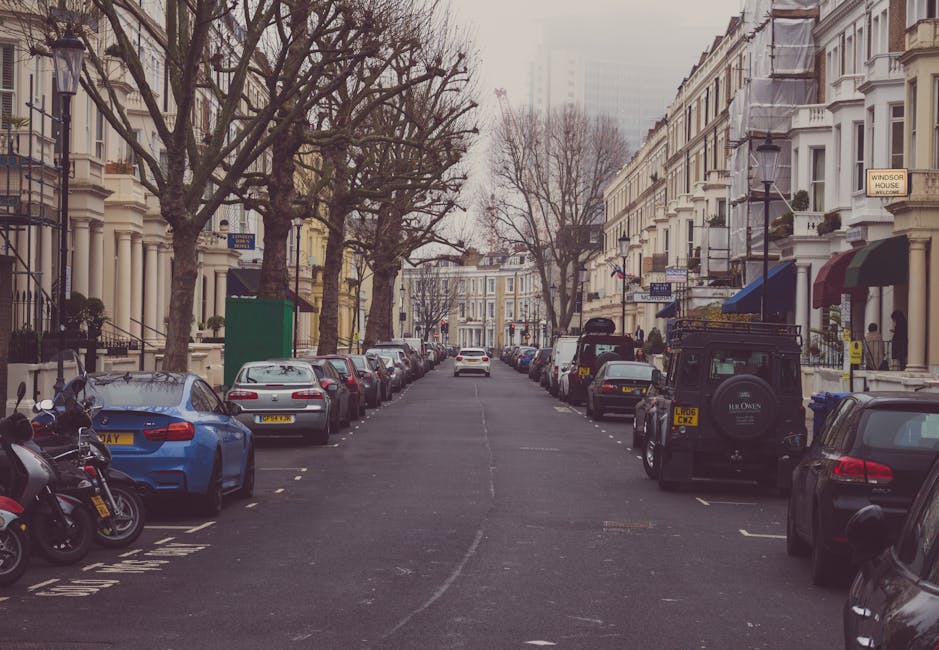
For Lambeth in particular, the question matters because many streets are tight, busy, and already under parking pressure. A row of resident permits, a single yellow line, delivery activity, cyclists, buses, and double-parking temptation can all collide in the same ten metres. If you've ever watched a sofa do an awkward pivot on a wet pavement at 8:15 in the morning, you'll know why people bother.
There is also the issue of timing. A move that would take two or three hours with good doorstep access can drag much longer without it. That affects labour, vehicle time, and the general mood of the day. Nobody wants a removal crew standing around because the van is forced half a street away.
Key point: if your property sits in a narrow road, on a busy high street, in a controlled parking zone, or anywhere there's limited stopping space, a suspension is worth looking at early rather than treating it as an afterthought.
How a Lambeth parking suspension works
A parking suspension is not the same thing as a parking permit. A permit allows a vehicle to park in a controlled area under the normal rules. A suspension temporarily changes those rules for a particular space or bay, usually because access needs to be reserved for a specific reason.
In removals, that reason is usually straightforward: you need the vehicle positioned close enough to the property to load or unload safely and efficiently. The exact process can vary, so always check the council's current requirements rather than assuming the same approach applies everywhere in London.
In everyday terms, the process usually involves:
- Identifying the exact place where the vehicle needs to stop.
- Checking whether the space is controlled, restricted, or already suspended by someone else.
- Submitting a request in advance, with the date, time, vehicle details, and location.
- Paying any applicable fee or administration charge.
- Making sure the suspension is clearly signed or marked in line with the council's process.
Most people only realise how much detail sits behind those steps when they are already packing the kettle. Best not leave it that late.
If you are organising a bigger or more complex move, especially one involving multiple rooms, bulky furniture, or a building with limited access, you may also want to look at services such as house removalists or removal truck hire. These services are easier to use when the parking arrangements are settled in advance.
One useful way to think about it: the suspension is there to remove friction from the day. It doesn't move the boxes for you, but it prevents one very ordinary problem from becoming a very expensive one.
Key benefits and practical advantages
People sometimes see parking suspensions as an extra hassle. Fair enough. There is admin involved. But on a busy London move, the upside is often worth it.
- Closer vehicle access: shorter carrying distance means less strain and faster loading.
- Safer handling: fewer long carries reduce the chance of knocks, trips, and damaged furniture.
- Better time control: the move is less likely to run late because the van can park where it needs to.
- Less disruption: neighbours, pedestrians, and traffic are less likely to be blocked by improvised parking.
- More predictable costs: delays caused by poor access can eat into labour time, which nobody wants.
There's also a quieter benefit that people forget: calm. A move is noisy enough without the van circling the block, someone running back and forth for keys, and the driver asking the same question three times because the road is full. When the vehicle has a proper space, everyone settles down a bit.
That matters even more if you are combining removal day with packing support. Services like packing and unpacking services are most effective when loading and unloading are smooth, not stop-start.
Who this is for and when it makes sense
Not every move in Lambeth needs a parking suspension. Some do fine with a simple parking permit, a legal loading window, or a carefully planned set-down point. Others really do need the extra control.
You are more likely to need one if:
- the property is on a narrow residential street with very limited curb space;
- parking bays are usually full;
- the van would otherwise need to stop on a yellow line or in a loading-restricted area;
- you are moving large items, multiple rooms, or a full family home;
- the move involves a commercial unit, office, or high-value equipment;
- the property is in a busy area where short stopping is heavily contested.
A parking suspension is often sensible for:
- house moves with a full van or truck;
- flats with awkward access, basement steps, or long hallways;
- office relocations where furniture and IT kit need a stable loading point;
- deliveries and pick-ups involving bulky items;
- situations where the removal vehicle must remain in one place for a while.
It may be unnecessary if the van can park legally in a loading area right outside, or if you have private driveway access with enough room to work. The best answer is not always "yes". Sometimes it is "no, but plan carefully".
If your move is business-related, a suspension can be especially useful alongside commercial moves or office relocation services, where punctuality and access can affect the rest of the workday.
Step-by-step guidance
If you're trying to decide whether to apply, or simply trying to avoid a painful moving-day surprise, follow this sequence.
- Check the property access. Stand outside and look at the actual road width, bay layout, signage, and traffic flow. Not just in your head, in the real street.
- Estimate the vehicle size. A small van, a larger moving truck, and a Luton-style vehicle all have different parking needs. If you are using a larger vehicle, the space issue becomes more important.
- Measure the carry distance. A few extra metres may not sound like much, but with wardrobes, boxes, and appliance trolleys it adds up quickly.
- Check restrictions for the day and time. Some streets are easier at certain hours. Others are not. A move on a weekday morning can be very different from a weekend slot.
- Confirm whether a suspension is needed or just helpful. If the vehicle can park legally and safely without one, you may not need to go through the extra process.
- Arrange the removal service early. Coordinate the vehicle size and timing with the suspension window. A larger load may need a dedicated moving truck rather than a smaller vehicle.
- Build in a buffer. Even well-planned moves pick up delays. A lift that sticks, a neighbour that needs to pass through, a box that's heavier than expected. Life happens.
- Keep all confirmations together. Save the council details, booking reference, date, time, and any instructions in one place.
If you want to keep the rest of the move tidy, it helps to combine access planning with clear pricing and service expectations. That is where pricing and quotes can help you compare the overall picture rather than just the headline rate.
Practical tip: if your move depends on a very specific bay or entrance, take a couple of photos of the road and parking setup. It sounds basic, but it can save a surprising amount of back-and-forth later.
Expert tips for better results
Here's the part most people miss: the success of a suspension is not just about getting permission. It is about matching the permission to the actual moving plan.
1. Think about the vehicle before you think about the paperwork. If you only have room for one van length and your move really needs a bigger truck, the plan needs revisiting. A smaller man with van setup may fit more easily in tight streets, even if it means a few extra trips.
2. Avoid a "best guess" attitude. Guessing the parking situation is one of the fastest ways to create tension. Truth be told, it's often the thing that separates a smooth day from a chaotic one.
3. Match the access plan to the load. A couple of suitcases and kitchen boxes are one thing. A piano, wardrobe, or office desks are another. Bigger items need better access, full stop.
4. Communicate with everyone involved. The removal crew, the property manager, and the person at the other end of the move should all know the plan. Mixed messages are the enemy here.
5. Keep a backup route in mind. If the original bay is unavailable, know where the next-best legal stopping point is. Sometimes a slight adjustment saves the day.
6. Don't ignore sustainability and disposal planning. If you're clearing out unwanted items, a move is often the right moment to separate reuse, recycling, and disposal. Services like furniture pick up can help reduce what needs to go on the van in the first place.
And one small, human reminder: moving day is not the time to discover that the tape gun is missing and the street is fully occupied. Been there, more or less. It never feels glamorous.
Common mistakes to avoid
The same problems come up again and again. Thankfully, most of them are avoidable.
- Leaving it too late: council admin can take time, and a last-minute request may not be realistic.
- Assuming a permit is enough: a permit and a suspension are not the same thing.
- Forgetting the vehicle size: a space that works for a small van may not work for a larger removal truck.
- Not checking alternative parking: if the ideal space falls through, you need Plan B.
- Ignoring building rules: some flats, estates, and commercial sites have their own access arrangements on top of street parking controls.
- Underestimating loading time: if the suspension window is too short, you may still be rushed.
- Failing to coordinate with the removal team: no one should be guessing where the van is going to stop.
One especially common slip is booking the move first and thinking about parking later. That sounds harmless, but in London it can quietly become expensive. You end up paying for avoidable delays, or you compromise on safety. Neither is ideal.
If you are moving a whole household, it may be worth choosing a team with experience in house removalists rather than trying to stitch the day together from too many different bits and pieces.
Tools, resources and recommendations
You do not need a complicated toolkit to get this right. A few sensible items and a little planning go a long way.
- Street photos: take clear pictures of the parking space, road signs, and building entrance.
- Simple floor plan: mark where large items need to come from and where they need to go.
- Inventory list: helps you judge whether you need a van, truck, or multi-trip move.
- Measurement tape: useful for doorways, lift access, and awkward furniture.
- Calendar reminders: keep the moving date, access arrangements, and any council deadlines in one place.
For many customers, the easiest route is to pair the parking plan with a removal service that already understands London access issues. A proper vehicle choice, such as removal truck hire, can make a big difference if the move is substantial. Smaller moves may still be better suited to a more flexible setup.
Also, if you are comparing providers, do not look only at price. Look at clarity, communication, and whether the company gives practical advice on access and timing. That's the sort of thing that saves you stress later.
You can also review the company's general standards and service information through pages like insurance and safety and health and safety policy. Those pages are useful when you want to understand how a move is handled in real life, not just in the quote.
Law, compliance and best practice
This is one area where careful wording matters. Parking suspensions sit within local parking control and council administration, so the exact rules and fees can change. It is safest to check the current Lambeth Council process directly when you are making arrangements, rather than relying on old advice from a neighbour or a forum thread from three summers ago.
From a best-practice point of view, the important things are simple:
- make the request early enough;
- provide accurate location and vehicle details;
- respect signage and any conditions attached to the suspension;
- keep your move within the authorised time window;
- ensure the stopping point does not create danger for pedestrians, cyclists, or other road users.
Removal companies also have a general duty to work safely and sensibly. That includes planning access, using suitable equipment, and avoiding risky manual handling where possible. If the route is awkward, the team should treat that as part of the job, not an inconvenience to shrug off.
For business moves, good practice also means protecting data, stock, and equipment during loading and unloading. That is one reason some firms prefer a coordinated commercial plan with a dedicated vehicle and clear access control. If you are relocating a workplace, commercial moves and office relocation services are more likely to benefit from formal parking arrangements than a very small local move.
In short: the law side should guide the plan, not the other way around.
Options and comparison table
Not every move needs the same level of parking control. Here is a simple comparison to help you decide.
| Option | Best for | Pros | Limitations |
|---|---|---|---|
| Parking suspension | Busy streets, limited access, larger removals | Reserved space, easier loading, less disruption | Needs advance planning and possible fees |
| Standard parking permit | Controlled areas where legal parking is already available | Simple, familiar, often easier to arrange | Does not reserve space for the move |
| Legal loading / short stop | Quick jobs with light items and short dwell time | Low admin, fast setup | Unreliable in busy streets and not ideal for long jobs |
| Private driveway or forecourt | Homes or buildings with direct off-street access | Very convenient, minimal street disruption | Not available everywhere; space may still be tight |
If you are only moving a few boxes and a chair, you may not need the full suspension route. If you are moving the contents of a three-bedroom flat with a wardrobe that seems to have been built inside the room, a reserved space can be a lot more helpful.
Real-world example
Picture a second-floor flat in Lambeth on a narrow residential road. There is no driveway, the bays are full by mid-morning, and the only practical stopping point is right outside the building. The move includes a sofa, mattress, bed frame, desk, and a fair number of boxes. Without a reserved space, the removal vehicle would have to park further down the road, and the crew would carry everything back and forth across parked cars and passing traffic.
Now compare that with a planned suspension. The vehicle arrives, stops close to the entrance, and the team can load in a steady rhythm. Fewer steps, less congestion, less risk of damage. The move still takes effort, of course. It always does. But it feels manageable rather than messy.
That same logic applies to office clearances too. A good example is a small business shifting desks, monitors, archive boxes, and a few bulky chairs. If the van can park right by the entrance, the whole job flows better. If not, even a modest move can become a dragging half-day.
And yes, sometimes the best outcome is still a simple one: a legal space, a well-sized vehicle, and a crew who knows what they're doing. No drama. Lovely stuff.
Practical checklist
Use this before moving day so you are not making decisions while holding a roll of cling film in one hand and your phone in the other.
- Confirm whether the road has controlled parking, yellow lines, or loading restrictions.
- Check if a parking suspension is likely to be needed.
- Match the vehicle size to the space outside the property.
- Book the removal service and align the time window with the access plan.
- Take photos of the street, entrance, and nearest legal stopping points.
- Keep documents, keys, and contact numbers in one place.
- Tell neighbours or building management if access may be tight.
- Separate items for reuse, recycling, or disposal before the van arrives.
- Build in extra time for lifts, stairs, and awkward furniture.
- Double-check whether the destination property has different parking rules.
If you are decluttering before the move, it may also help to arrange furniture pick up for items you do not want to carry to the new place. Less clutter, less lifting, less to think about. That's a decent trade.
Conclusion
So, do you need a Lambeth Council parking suspension for removals? Sometimes yes, sometimes no. The real answer depends on your street, the size of the vehicle, how long the van needs to stay, and how much room is actually available outside the property.
If access is tight, the property is on a busy road, or the move involves larger furniture and a longer loading time, a suspension can make the whole day smoother and safer. If you already have easy legal access, it may be unnecessary. Either way, the key is to think about parking early, not on the morning of the move.
Get the access right and the rest of the day usually feels far more manageable. That little bit of planning can save a lot of noise, carrying, and stress - and honestly, who doesn't want a calmer move?
Get a free quote today and see how much you can save.
Frequently Asked Questions
Do I always need a Lambeth parking suspension for removals?
No. If your removal vehicle can park legally and safely close to the property without blocking access, you may not need one. It becomes more important where space is limited or parking is controlled.
What is the difference between a parking suspension and a parking permit?
A permit lets you park under normal rules in certain areas. A suspension temporarily removes or changes normal parking rights for a specific space, usually so it can be reserved for a purpose such as removals.
How far in advance should I check about a suspension?
As early as possible. Councils can have processing times and specific requirements, so leaving it until the week of the move is risky. Early planning gives you room to adjust if needed.
Can I do a removal in Lambeth without a suspension?
Yes, sometimes. Smaller moves, private drive access, or streets with available legal stopping space may not need one. The decision usually comes down to access, vehicle size, and how long the loading will take.
What happens if the removal van cannot park outside my property?
The team may have to stop further away, which usually means longer carries, slower loading, and more effort. In a busy street, that can also raise the chance of delays or minor damage.
Is a suspension worth it for a small flat move?
It depends. If the flat is on a narrow road or the furniture is bulky, it can still be worth it. If you are only moving a few boxes and can stop legally nearby, it may not be necessary.
Do office moves need parking suspensions too?
Very often, yes. Office relocations tend to involve larger vehicles, more items, and tighter timing. Reserved access can keep the job orderly and reduce disruption to staff and neighbouring businesses.
Will a suspension guarantee the space is free?
It should reserve the space for the stated purpose, but you still need to follow the council's conditions and timing rules. Good communication and correct setup matter a lot.
Can a man and van service help me decide if I need one?
A knowledgeable removal team can usually assess the street access and tell you whether a suspension is likely to help. That sort of practical advice is often more useful than guessing from a map alone.
What if I am also getting rid of furniture before the move?
Then it may be sensible to arrange separate collection for unwanted items first. That can reduce the size of the load and make parking easier on moving day.
Does a bigger moving truck make a suspension more likely?
Usually yes. Larger vehicles need more space to stop, manoeuvre, and load safely, especially on London streets where parking is already tight.
Where can I check pricing and moving options?
You can review service information and compare your options through pricing and quotes, then match that against your access needs and moving date.